

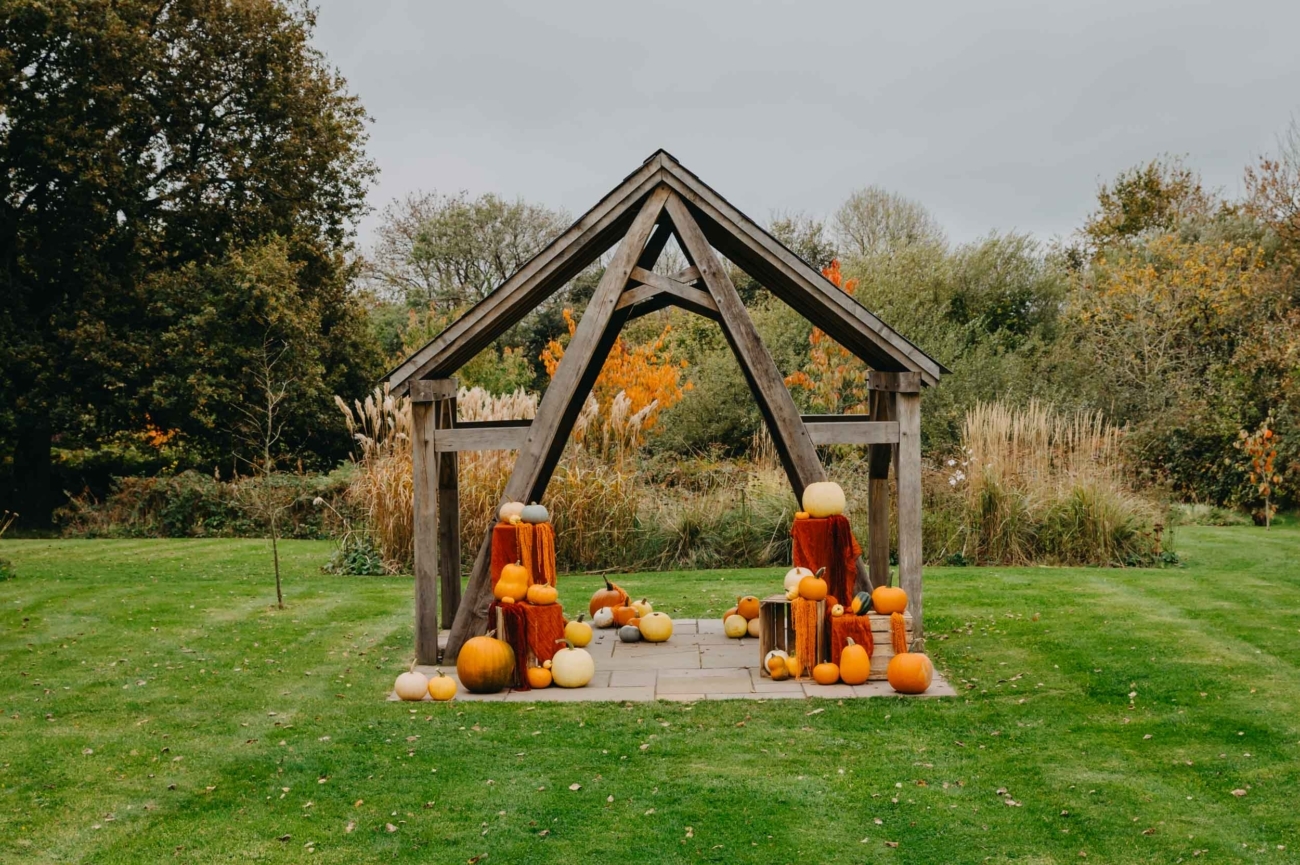
A wedding doesn’t begin when the ceremony starts.
It begins much earlier — in fragments, conversations, small delays, people arriving at slightly different times, carrying different expectations into the same place.
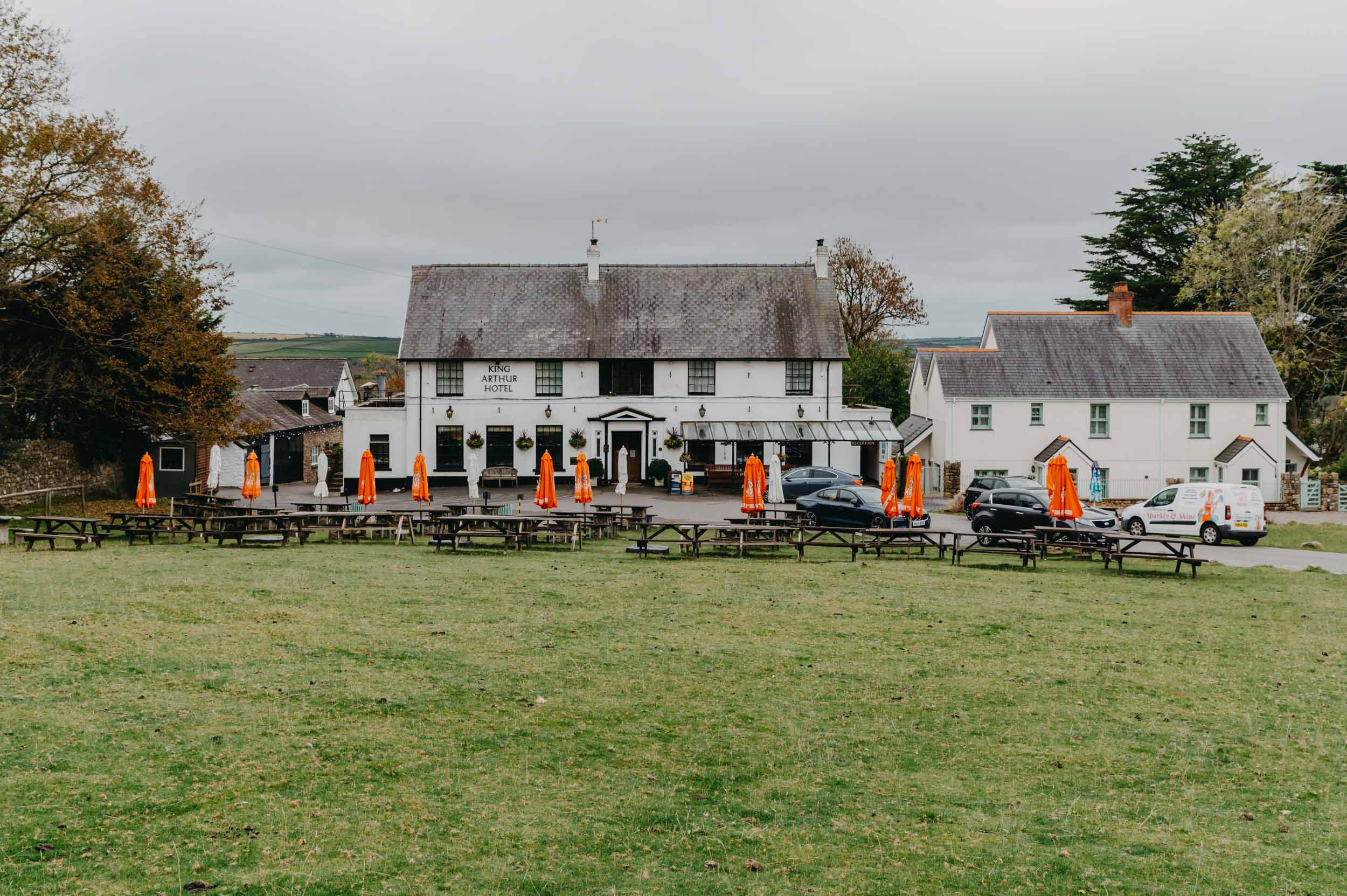
At the King Arthur Hotel in Reynoldston, on the Gower Peninsula near Swansea, couples often look for a wedding photographer who can document the day as it actually unfolds.
This is not a venue that overwhelms a wedding with scale or spectacle.
It doesn’t compete for attention.
It allows the day to unfold at its own pace.
That quality changes how a wedding is experienced — and how it can be photographed.
A place defined by movement, not monument
The King Arthur Hotel is often described simply as a welcoming Welsh inn, rooted in village life on Gower. That description is accurate, but incomplete.
What defines this place during a wedding day is not architecture or symbolism, but movement. People drift between spaces. Conversations overlap. Moments are rarely isolated. They spill into one another.
This matters because photography is shaped not only by the moments we choose to freeze, but by the transitions that lead into them and away from them.
In venues where everything is monumental, photographs often become declarations.
Here, they become observations.
Before arrival, expectation does some of the work
Before my first visit to the King Arthur Hotel, I realised how easily imagination fills in the gaps.
The name invites it.
King Arthur. Guinevere’s Cottage. Gower Peninsula.
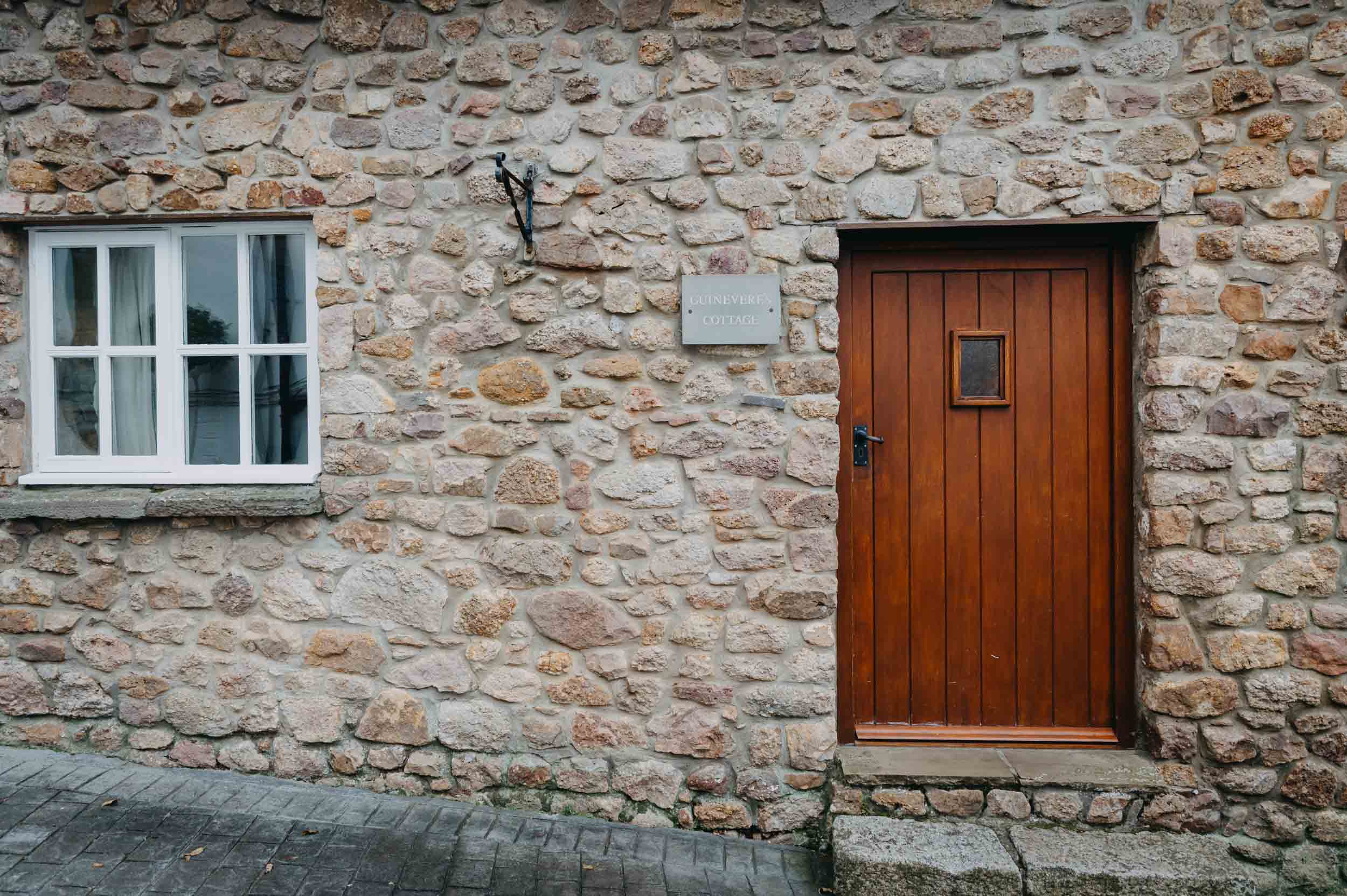
Even though I had already seen photographs of the venue, part of me still pictured something else entirely — a legendary castle on a dramatic stretch of coastline, the kind of place where myth comes first and reality politely follows. In that version of the story, King Arthur himself could have been waiting outside, arms crossed, slightly bored.
Couples and guests often arrive with similar images in their heads.
Sometimes they expect atmosphere and symbolism. Sometimes something vaguely mythical. Sometimes just a feeling rather than a clear idea. And sometimes there are no expectations at all — only curiosity.
That projection is natural. A name, a location, a few suggestive words are often enough to start building a story long before the day begins.
Then I arrived.
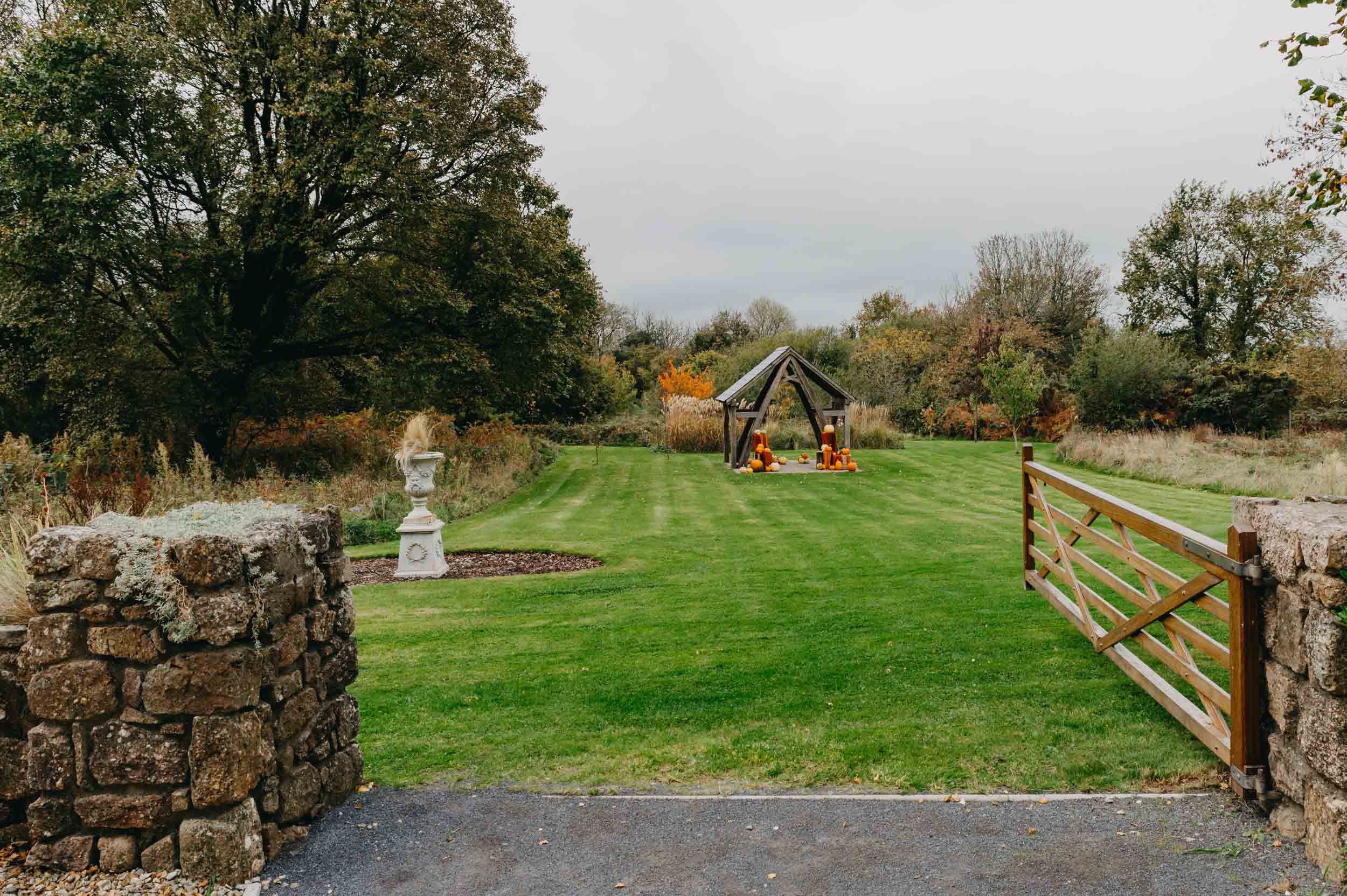
Standing there for the first time, I caught myself thinking: surprise me.
And that was exactly the moment the legend collapsed.
What stood there instead was something far more grounded — a welcoming Welsh inn, embedded in village life in Reynoldston, practical, human, and refreshingly unpretentious.
In hindsight, the disappointment lasted about three seconds. Long enough to realise that nothing had gone wrong — except the story I had invented on the way there.
And that moment mattered.
Because once the imagined castle disappears, attention returns to what is actually there — people, conversations, movement, and a wedding day that no longer needs to live up to a story that never belonged to it in the first place.
Why that matters for photography
Once the myth dissolves, attention shifts.
The focus moves away from imagined narratives and returns to what is actually there: people, relationships, conversations, movement, and time passing in a very real place.
That shift is crucial for documentary wedding photography — understood here as a visual language of wedding photography rather than a fixed set of instructions.
For couples searching for a wedding photographer at King Arthur Hotel, this approach offers something different from a fixed visual template.
The King Arthur Hotel doesn’t need to perform a legend.
It simply needs to host a wedding.
Time behaves differently here
Weddings are often described as timelines: ceremony, reception, speeches, first dance.
In reality, what stays with people afterwards are the in-between moments that never made it onto the schedule.
At the King Arthur Hotel, time doesn’t feel compressed.
There is room for pauses, for unplanned interactions, for moments that don’t demand attention but quietly accumulate meaning.
For some couples, choosing a venue on the Gower Peninsula is less about distance and more about a subtle shift in perspective — a way of understanding a destination wedding as more than just distance.
Documentary wedding photography grows naturally out of that way of thinking. Meaning emerges over time, not on command, shaped by what happens between the planned moments rather than by the plan itself.
What matters more than familiarity
Some couples feel reassured by photographers who have worked at their venue many times before. Familiarity promises predictability.
But predictability is not the same as understanding.
Approaching a wedding without a fixed script forces attention outward rather than inward. It shifts focus away from what usually happens, and toward what is actually happening.
In places like the King Arthur Hotel — and, in truth, in many others — where weddings are shaped more by people than by rigid structure, that openness becomes an advantage rather than a risk.
Photography as record, not performance
A wedding is not a performance staged for the camera.
It is a sequence of real events that cannot be repeated.
Photography here works best when it accepts that role — as a record shaped by patience, timing, and restraint.
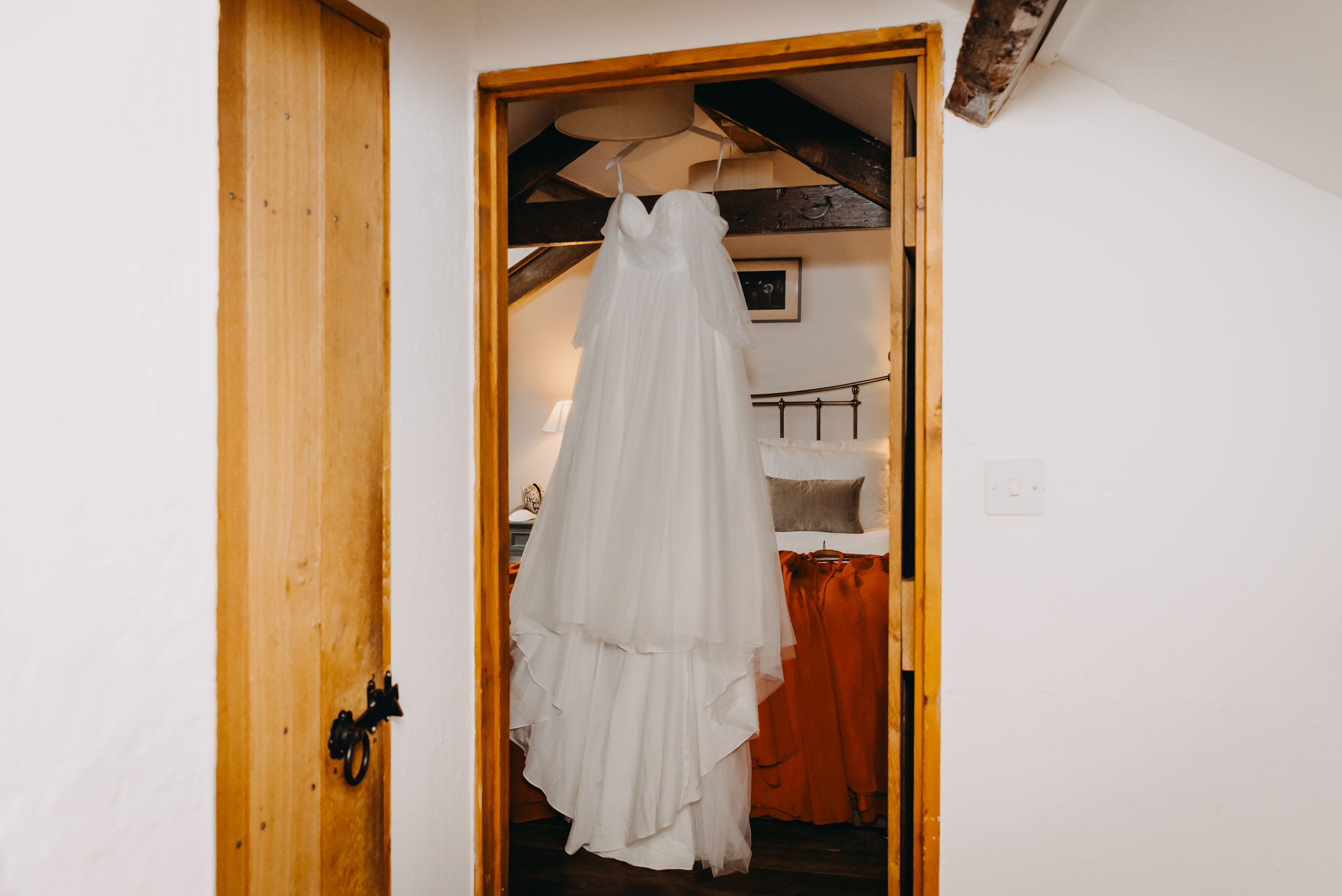
Not every moment needs emphasis.
Not every space needs explanation.
What remains meaningful is the way the day felt while it was happening.
An open framework, not a finished story
This page is not built around a single wedding narrative.
It is intentionally open.
In time, it may grow to include a specific story photographed at the King Arthur Hotel — a real sequence of events shaped by real people.
When that happens, the images will add context.
They will not replace the way of seeing described here.
Wedding photographer at the King Arthur Hotel on the Gower Peninsula
If you’re planning a wedding at the King Arthur Hotel — or anywhere on the Gower Peninsula near Swansea — choosing a documentary wedding photographer means choosing attention over templates.
What matters most is not whether a photographer knows the venue by heart, but whether they are attentive to how your day actually unfolds.
That is where photographs stop being decoration, and start becoming memory.


