
Short wedding photography coverage sounds simple.
Pick a number of hours, book a photographer, job done.
The problem isn’t that couples choose “too little” photography.
The problem is that they plan for a perfect timeline — and wedding days don’t run on perfect timelines.
They run on emotion.
And emotion doesn’t check the clock.
This article isn’t about pushing full-day coverage.
It’s about understanding when short coverage genuinely works — and when it quietly starts working against you.
How Long Do You Really Need a Photographer on Your Wedding Day?
This is one of the most common questions couples ask — and one of the hardest to answer with a single number.
Wedding photography coverage isn’t really about hours.
It’s about structure.
And even more importantly — it’s about margin.
A five- or six-hour package can work beautifully.
But only under specific, realistic conditions.
Because once your coverage is tight, even small shifts start to matter.
What Usually Fits into 4–6 Hours of Wedding Photography
Shorter coverage typically works when:
- the ceremony and reception are in the same location
- the ceremony starts on time
- the schedule is realistic and not overpacked
- there are minimal transitions between moments
On paper, that sounds perfectly manageable.
I offer different wedding photography coverage options ranging from 3 to 12 hours, depending on how much of the day you’d like documented.
- the ceremony
- group photos
- a short couple portrait session
- part of the reception, sometimes including speeches or the first dance
And this is where things start to shift.
What Almost Never Fits When Timings Start to Slip
Here’s the part many couples underestimate.
Delays rarely look dramatic. They look ordinary.
The bride gets stuck in traffic.
It happens more often than you’d think.
The groom gets stuck in traffic too — sometimes at the same time.
Guests wander off just as group photos are about to begin.
Once, we waited a surprising amount of time because one key family member had stepped away to the toilet. Perfectly reasonable. But time still passed.
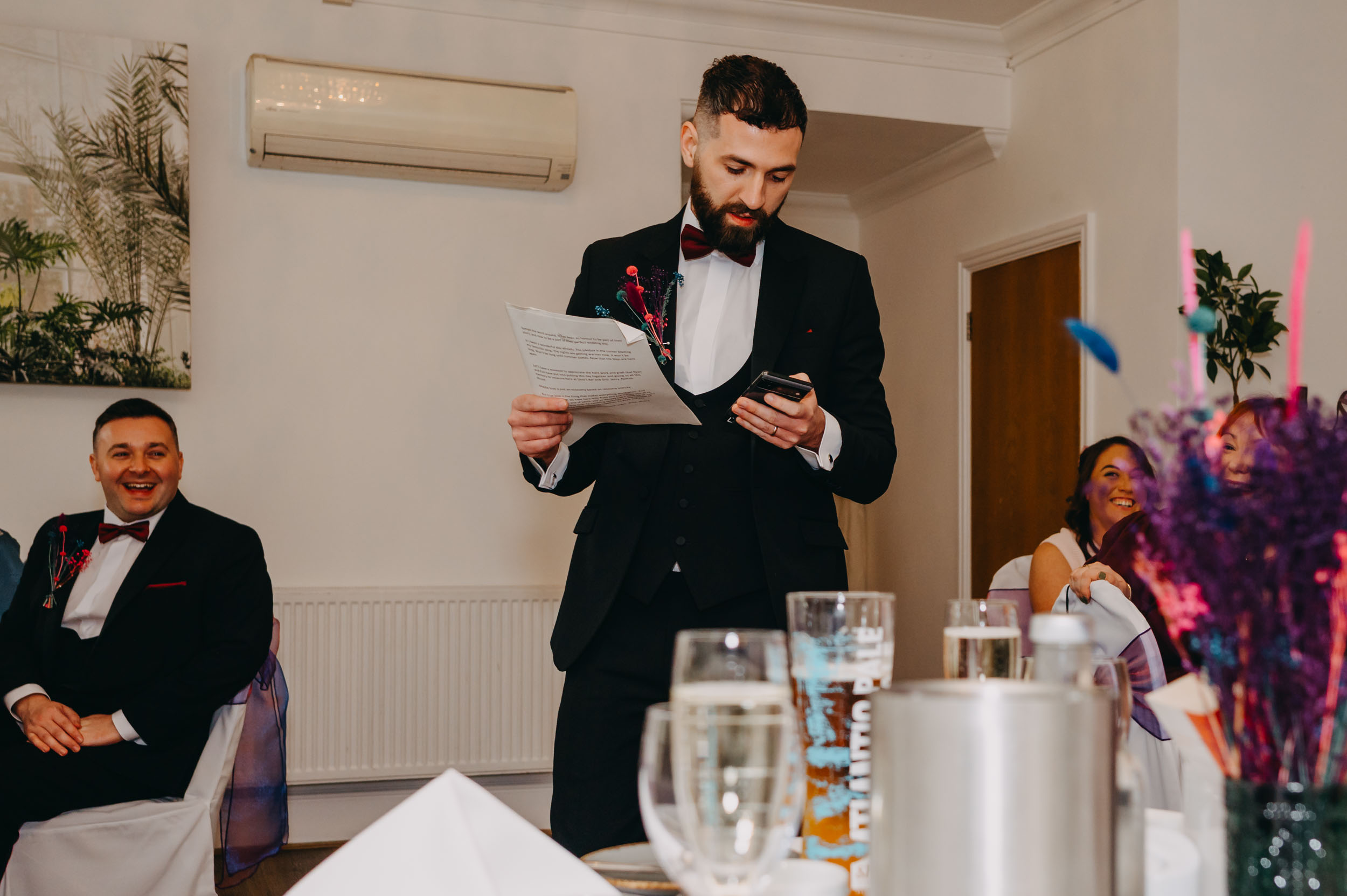
Speeches run longer than expected.
The band has a small technical issue.
Dinner service slows everything down.
None of these are disasters.
They’re normal wedding-day realities.
But when your coverage is tight, every delay eats into something else.
Coverage doesn’t fail because it’s short.
It fails because the day refuses to stay inside it.
Is 6 Hours of Wedding Photography Enough?
Often — yes.
Six hours works well when:
- everything happens in one place
- the ceremony is punctual
- the reception flows smoothly
- the couple doesn’t expect late-evening party coverage
It becomes less forgiving when:
- speeches go long
- moments overlap
- emotional moments naturally stretch
- the schedule builds in no breathing space
Six hours isn’t “too short”.
It’s simply less flexible.
And flexibility is what most wedding days quietly need.
Is 30 Minutes Enough for a Wedding Ceremony?
For very small civil ceremonies, this question comes up a lot.
Technically — yes, 30 minutes can be enough.
But only if:
- everyone arrives on time
- the ceremony starts exactly as planned
- no group photos are expected
- the couple is happy to leave immediately afterwards
That’s a lot of things that need to go perfectly.
What often surprises couples isn’t chaos — it’s emotion.
Guests arrive a little late.
Hugs last longer than expected.
Someone needs a moment.
The couple want to pause and breathe after the ceremony.
Thirty minutes works best when expectations are minimal.
It works less well when the day turns out to be more meaningful than anticipated.
When Short Wedding Photography Coverage Actually Makes Sense
Short coverage isn’t wrong.
It often works beautifully for:
- very small civil ceremonies
- weekday weddings
- simple timelines
- couples who genuinely want documentation of the ceremony only
If the goal is:
“We want the ceremony captured, and that’s it,” then shorter coverage can be practical and calm.
The key is clarity.
What Kind of Story Do You Want to Keep?
This is the part couples don’t always consider.
Some want documentation of the ceremony.
Others want a full narrative of the day.
Do you want:
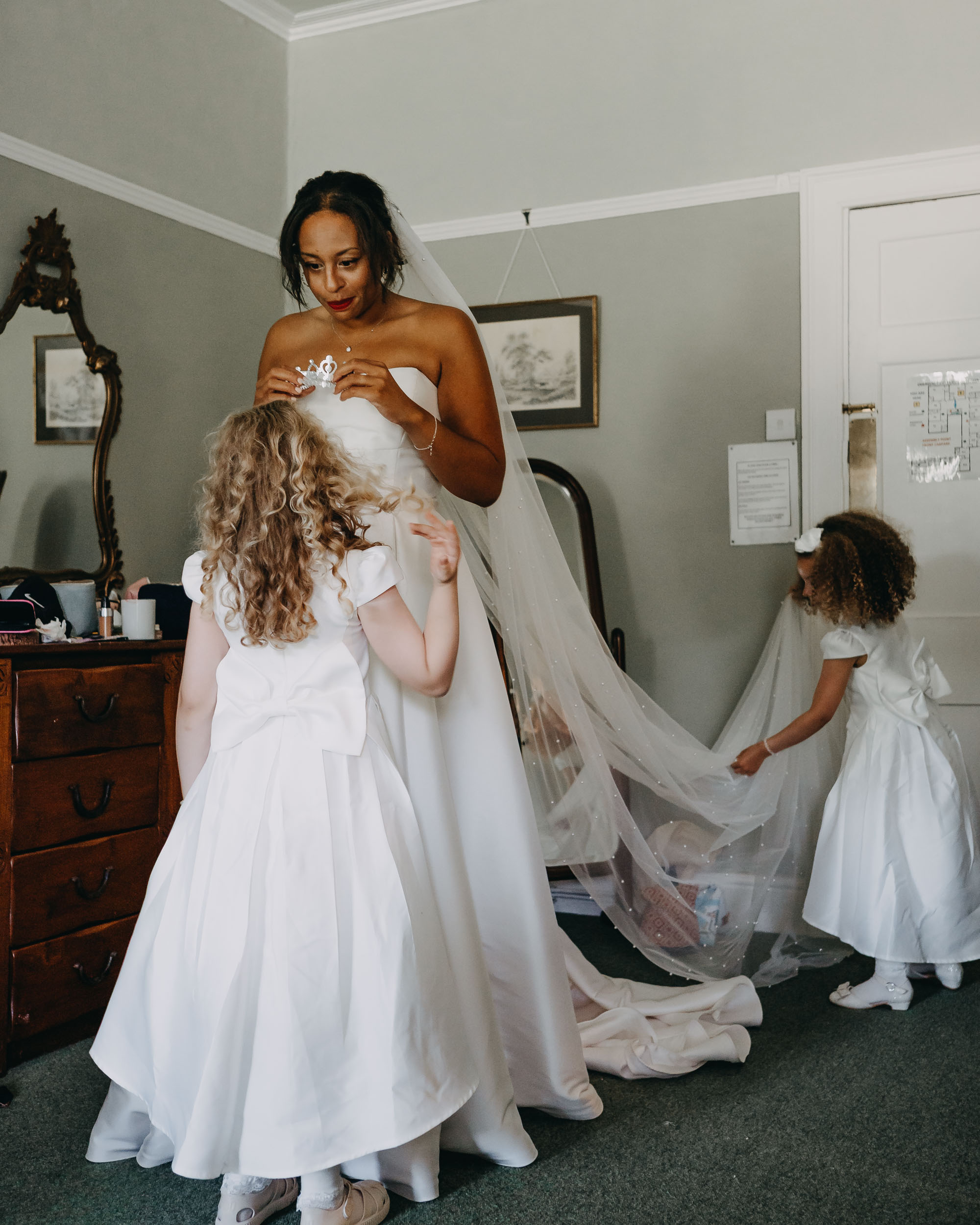
- preparations in the morning — the quiet, nervous energy before everything begins?
- the ceremony itself?
- the speeches and reactions?
- the first dance?
- the unguarded, slightly chaotic joy that often unfolds later in the evening?
From a documentary wedding photography perspective, starting at the ceremony can create an incomplete story.
Preparations set the atmosphere.
They show anticipation.
They show the human side of the day before it becomes public.
And later — once the formalities are over — something shifts.
After the first dance, there’s usually a release.
People loosen up.
The official part is done.
Now everything feels possible.
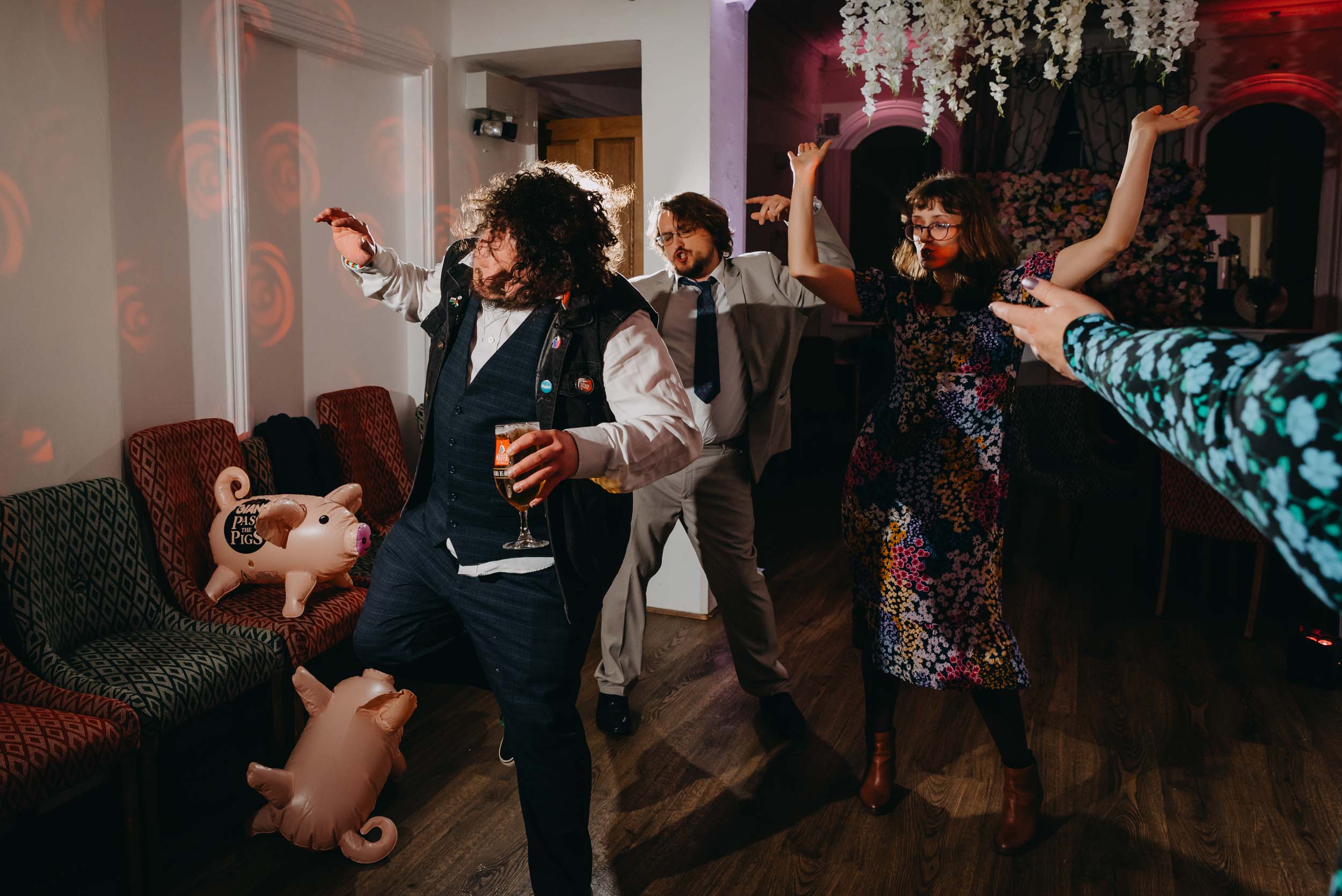
Some of the most honest, memorable moments happen there — long after the structured parts of the day have passed.
Whether you want that captured is entirely personal.
But it’s worth deciding intentionally.
The Question Couples Rarely Ask Themselves
Instead of asking:
“How many hours do we need?”
A better question might be:
“At what point of the day are we genuinely comfortable with our photographer leaving?”
Once the photographer leaves, anything that happens next won’t be documented.
There’s no right or wrong answer.
Only an honest one.
So… Do You Really Need a Wedding Photographer for the Whole Day?
Not always.
But you do need enough time to:
- let the day breathe
- allow moments to unfold naturally
- avoid watching the clock
- avoid feeling rushed at the most meaningful points
Full-day coverage isn’t about having more photos.
It’s about margin.
Margin for traffic.
Margin for speeches that mean more than expected.
Margin for someone disappearing at exactly the wrong moment.
Margin for the party to finally relax and become itself.
Short coverage works — when the day is simple and tightly structured.
Longer coverage works — when you want flexibility and peace of mind.
If you’re unsure which applies to your day, that’s completely normal. Most couples are. What matters most is deciding intentionally — rather than guessing and hoping the timeline behaves.
Frequently Asked Questions About Wedding Photography Coverage
How many hours of wedding photography do most couples book?
Most couples book between 6 and 10 hours of wedding photography. The right amount depends on how your day is structured, how many locations are involved, and whether you want just the key moments or the full story documented.
Is 5 hours of wedding photography enough?
Five hours can be enough for a ceremony and part of the reception if everything happens in one place and runs on time. It becomes less flexible if speeches run long or if you want relaxed couple portraits and evening coverage included.
Is 8 hours of wedding photography enough for a full day?
Eight hours often covers the majority of a wedding day, from preparations through to early evening celebrations. It works well when the timeline is realistic, but some couples choose longer coverage if they want late-night party moments documented too.
Do we really need a wedding photographer for the whole day?
Not always. Full-day coverage isn’t about having more photos — it’s about having margin for delays, emotion, and the unexpected parts of the day that often turn out to be the most meaningful.
Is it worth having wedding photos of the preparations?
If you want a complete narrative of your wedding day, preparations add atmosphere and context. Without them, the story often begins halfway through, missing the anticipation and energy before the ceremony.
Wedding days have a rhythm of their own.
They rarely move exactly as planned, and that’s often where the most meaningful moments appear. The only real question is how much of that rhythm you want to keep — and how much you’re comfortable letting pass undocumented. That’s precisely where the role of a documentary wedding photographer on the wedding day becomes essential.